What to Pack for Kyoto: Temples, Trains and Real Weather
A carry-on packing list for Kyoto based on 10 years of weather data, with what to wear at temples and shrines and the cabin bag limits of Japanese airlines.
Kyoto is made for traveling light. You'll take trains and buses, walk long temple paths, and take your shoes off again and again. Japan's trains have little room for big suitcases, and many travelers send large bags ahead with a delivery service. With a carry-on, you just walk on.
Kyoto weather by month
Kyoto has four very clear seasons. Summer is hot and humid: in August the average high is 89°F (32°C), and June and July are the rainiest months. Winter is cold, with January nights around 31°F (-1°C). Spring and autumn, the famous cherry blossom and maple seasons, are mild.
| Month | Avg high | Avg low | Rain |
|---|---|---|---|
| January | 47°F (8°C) | 31°F (-1°C) | 2.5 in (64 mm) |
| February | 49°F (9°C) | 32°F (0°C) | 2.5 in (64 mm) |
| March | 57°F (14°C) | 37°F (3°C) | 4.8 in (123 mm) |
| April | 66°F (19°C) | 46°F (8°C) | 6.4 in (163 mm) |
| May | 74°F (24°C) | 55°F (13°C) | 6.8 in (173 mm) |
| June | 80°F (26°C) | 63°F (17°C) | 9.4 in (239 mm) |
| July | 86°F (30°C) | 72°F (22°C) | 10.8 in (275 mm) |
| August | 89°F (32°C) | 75°F (24°C) | 7.6 in (192 mm) |
| September | 82°F (28°C) | 68°F (20°C) | 7.9 in (201 mm) |
| October | 71°F (22°C) | 55°F (13°C) | 7.1 in (180 mm) |
| November | 62°F (16°C) | 45°F (7°C) | 3.1 in (80 mm) |
| December | 51°F (11°C) | 35°F (1°C) | 2.5 in (64 mm) |
Monthly averages near central Kyoto, from Open-Meteo historical weather API (ERA5 reanalysis), 2015-2024. Model averages: real weather varies by town and height.
What that means for packing:
- Spring (late March to May): highs from 57°F (14°C) in March to 74°F (24°C) in May. Layers: a light jacket, a sweater and long sleeves.
- Summer (June to August): hot, humid and often rainy. Breathable clothes, a small towel, an umbrella.
- Autumn (October and November): highs of 71°F (22°C) in October and 62°F (16°C) in November, cool mornings. Layers again.
- Winter (December to February): cold but often dry. A warm coat, hat and gloves.
The carry-on packing list
For a week in spring or autumn:
Clothes
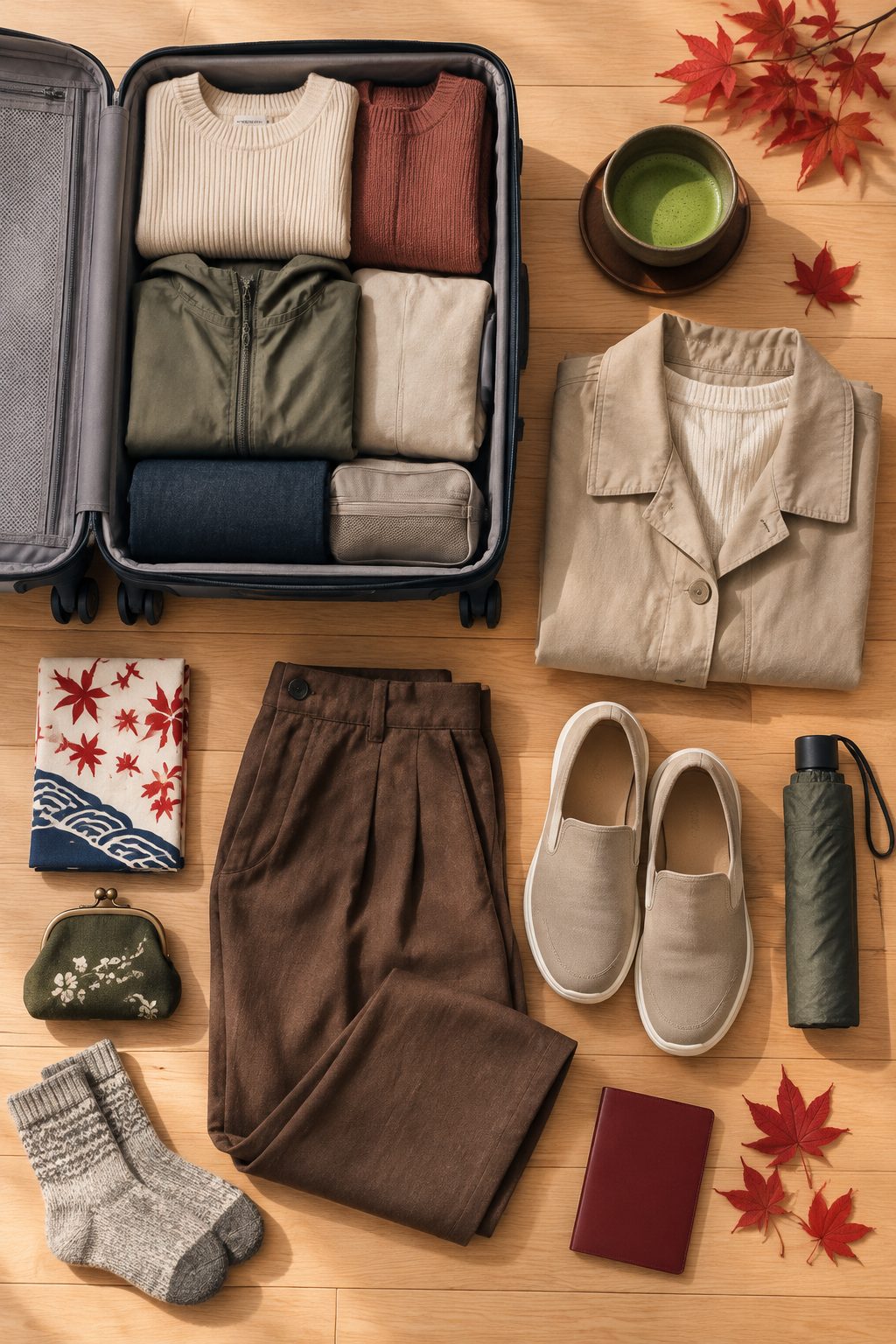
- 1 light, packable jacket
- 1 or 2 sweaters or fleece layers
- 4 to 5 tops
- 2 pairs of trousers (loose ones are comfortable for sitting on tatami floors)
- Socks without holes. You'll take your shoes off at temples, some restaurants and ryokan inns.
- Underwear and sleepwear
Shoes
- One pair of comfortable shoes that slip on and off easily, without laces you have to tie each time
- That's usually enough. Ryokan inns give you slippers.
Day bag
- A small bag for your shoes, if you visit places where you carry them inside
- Coin purse. Many small shops, temples and buses still prefer cash and coins.
- Small hand towel. Not every public restroom has paper towels.
- A small bag for your rubbish. Public bins are rare in Japan.
- Compact umbrella
- Phone power bank and a plug adapter for Japan (type A, the same flat pins as the US)
What to wear at temples and shrines
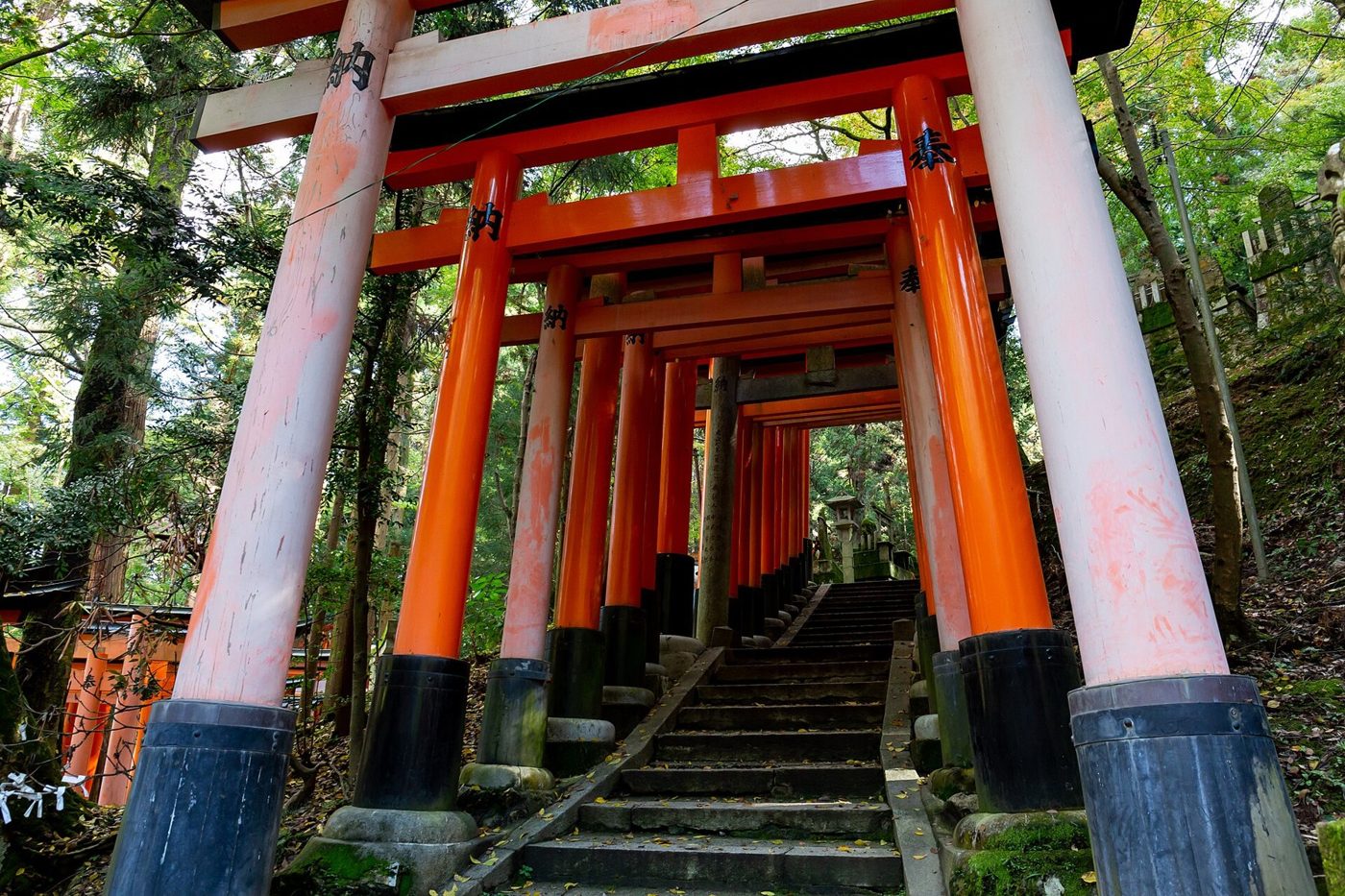
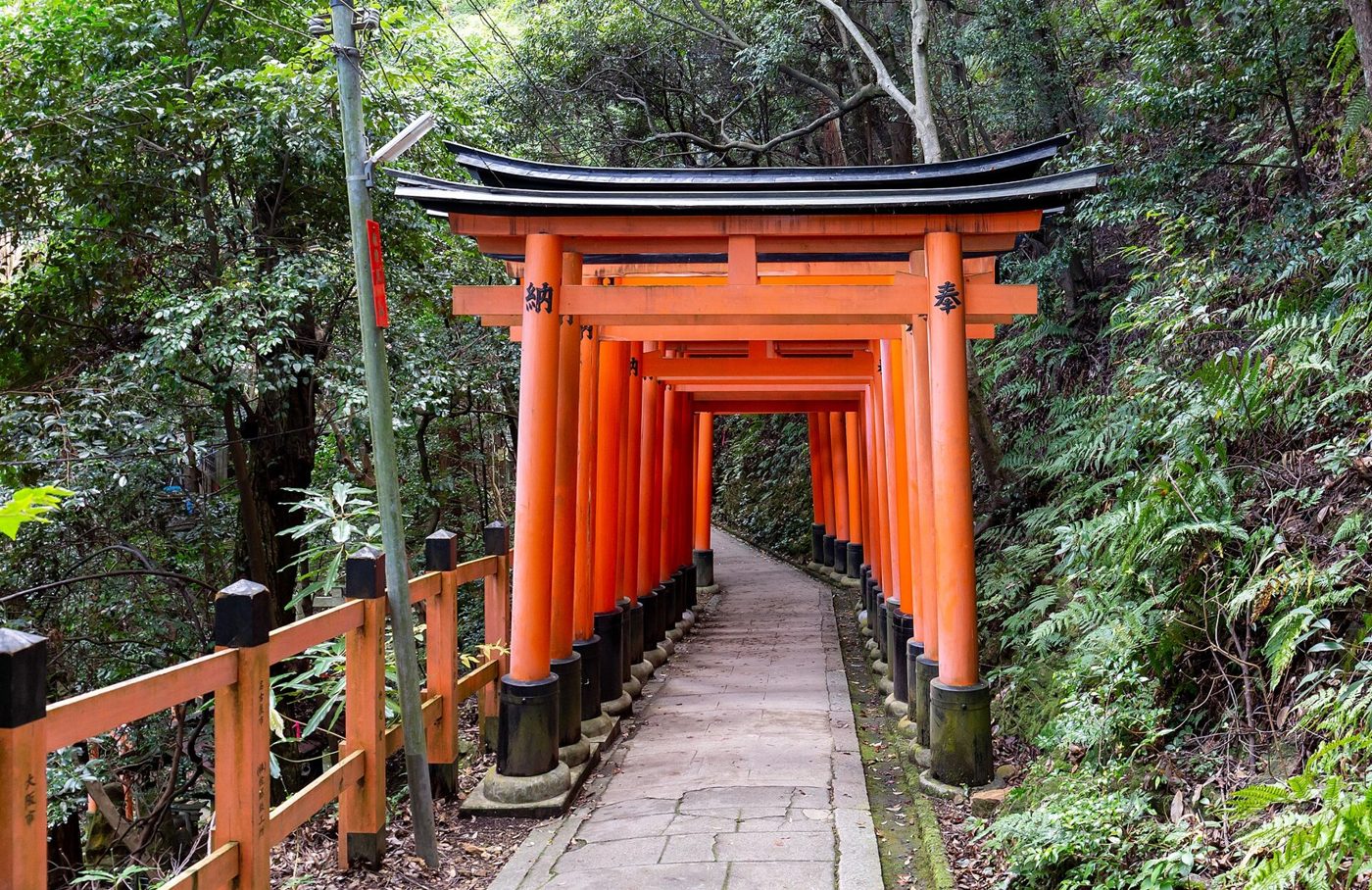
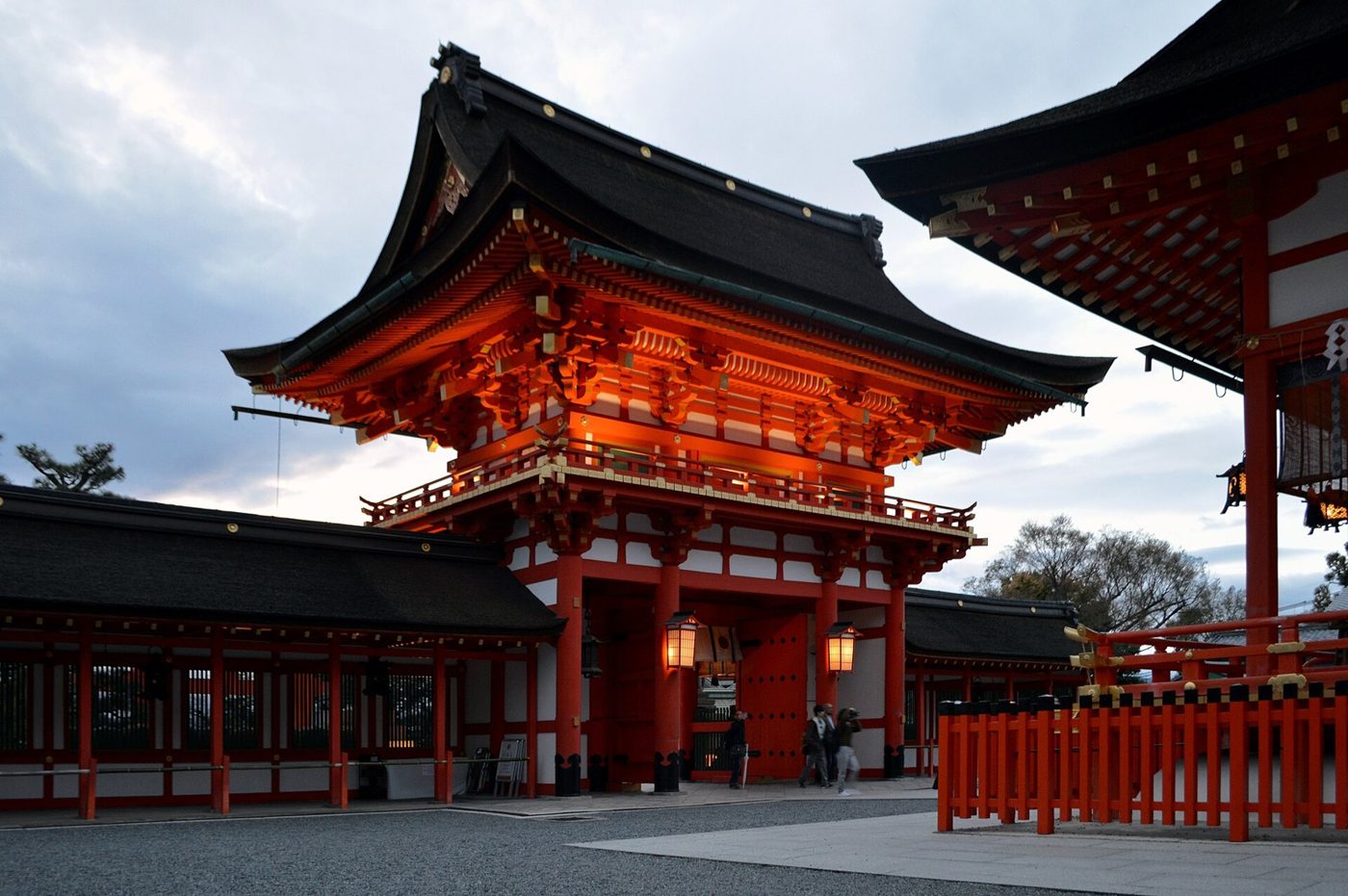
- Fushimi Inari: the full walk up the mountain through the torii gates takes 2 to 3 hours with many steps. Wear good shoes and bring water.
- Kiyomizu-dera and Gion: steep, busy streets. Again, comfortable shoes.
- Inside temple buildings: you'll often take your shoes off. Socks and slip-on shoes make this easy.
- Dress code: there's no strict rule at most temples, but very short or revealing clothes stand out. Light trousers or a skirt to the knee are a safe choice.
Will your bag fit the flight?
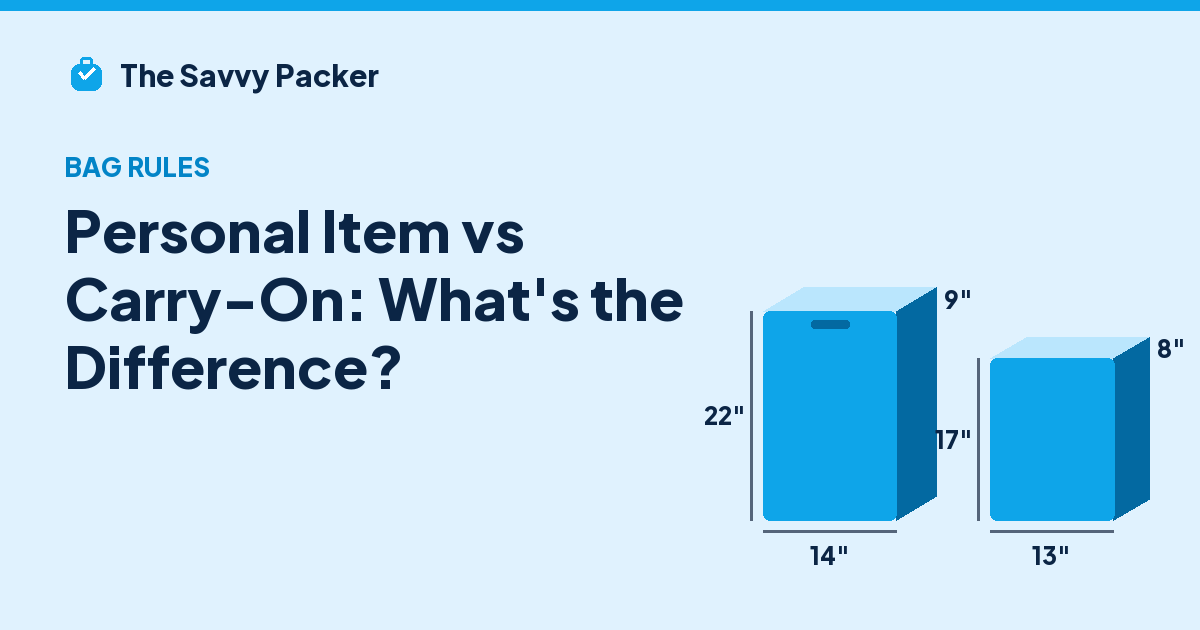
Japan's main airlines, ANA and Japan Airlines, both allow a carry-on of 55 x 40 x 25 cm and 10 kg (22 lb). That's generous: a standard US carry-on of 22 x 14 x 9 inches fits.
If you connect through another Asian airline, check the weight. Many airlines in the region, including Singapore Airlines and AirAsia, allow only 7 kg (15 lb) in the cabin. A bag that fits every Asian airline we track is **55 x 36 x 23 cm (21.7 x 14.2 x 9.1 in)**.
Check your own bag with the bag size checker, or see the Japan carry-on rules and Asia carry-on sizes.
Quick tips
- Pack light enough to lift your bag. Some stations have long stairs and no elevator near your platform.
- Do laundry. Most hotels and many guesthouses have coin laundry, so you can pack for 4 days and wash once.
- Leave space. Kyoto has wonderful small souvenirs: tea, ceramics, textiles.