Packing Cubes vs Compression Cubes vs Vacuum Bags for a Carry-On
Do packing cubes save space? Regular vs compression cubes vs vacuum bags for a carry-on: what each really does, weight limits, dirty laundry and how many you need.
Packing cubes are one of those things people either swear by or think are a scam. Then there are compression cubes, which promise to shrink your clothes, and vacuum bags, which promise to shrink them even more.
r/onebag argues about this constantly. Threads like "do you use compression cubes?", "packing cubes vs vacuum bags" and "garbage bags, not compression cubes" all pull in dozens of replies. After reading through them, the picture is pretty clear, and it's not quite what the marketing says.
Short version: Regular packing cubes don't save space. They keep a bag organized so you're not digging and repacking every day. Compression cubes save some space, but they bulge in the middle, wrinkle clothes and tempt you to overpack, and they don't make anything lighter. Vacuum bags squash the most, but you need a way to reseal them, one tear ruins the plan, and the bag gets heavy fast. For a carry-on, most experienced packers use 2–4 regular or lightly compressed cubes and pack fewer clothes instead.
What each one actually does
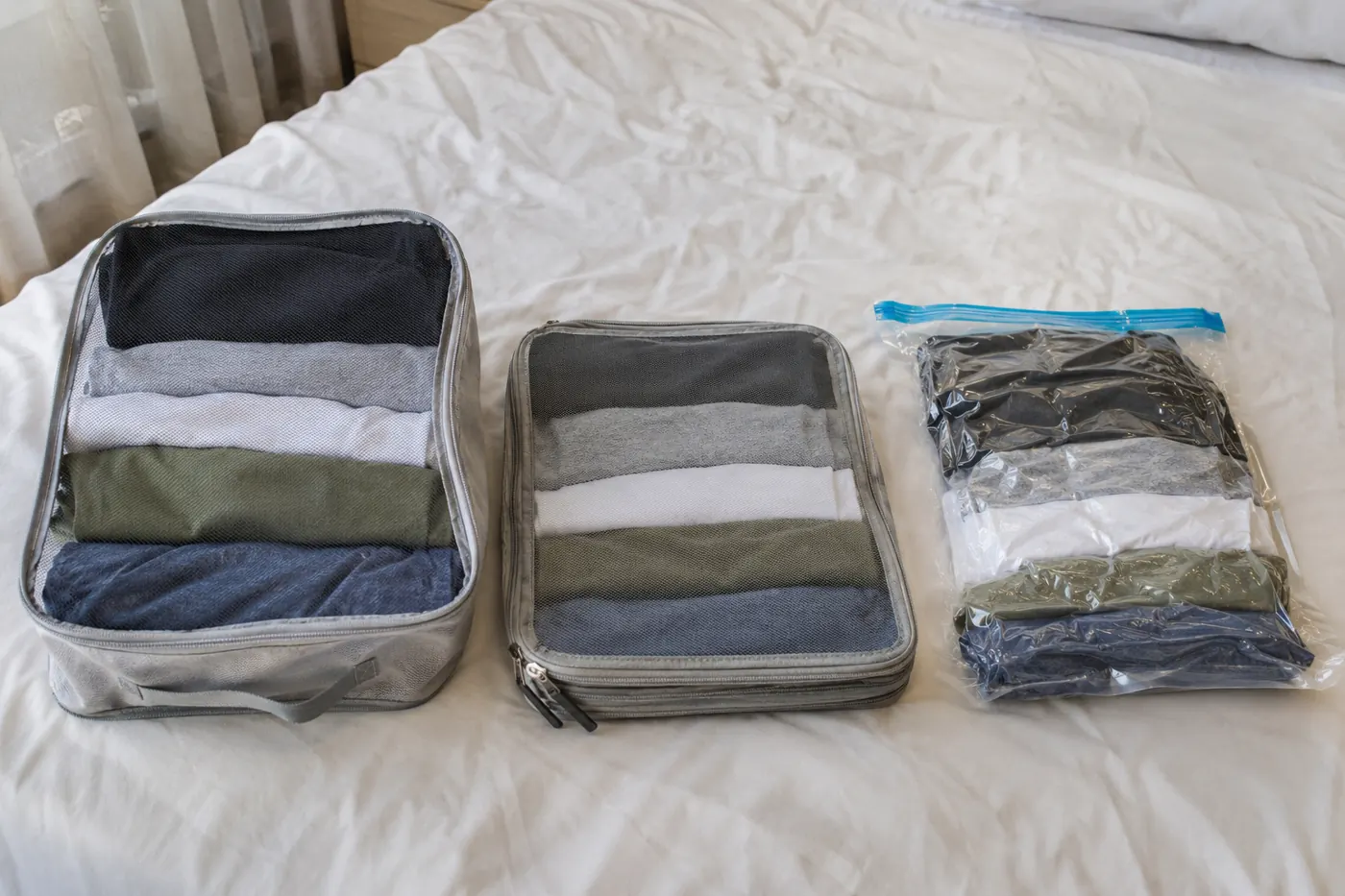
Regular packing cubes are zip fabric boxes. They don't compress anything. What they do is turn a bag full of loose clothes into a few tidy blocks you can lift out, put on a shelf and put back. One r/onebag reply summed it up: they don't save space or let you cram more in, they're for organization, and they barely add any weight or volume.
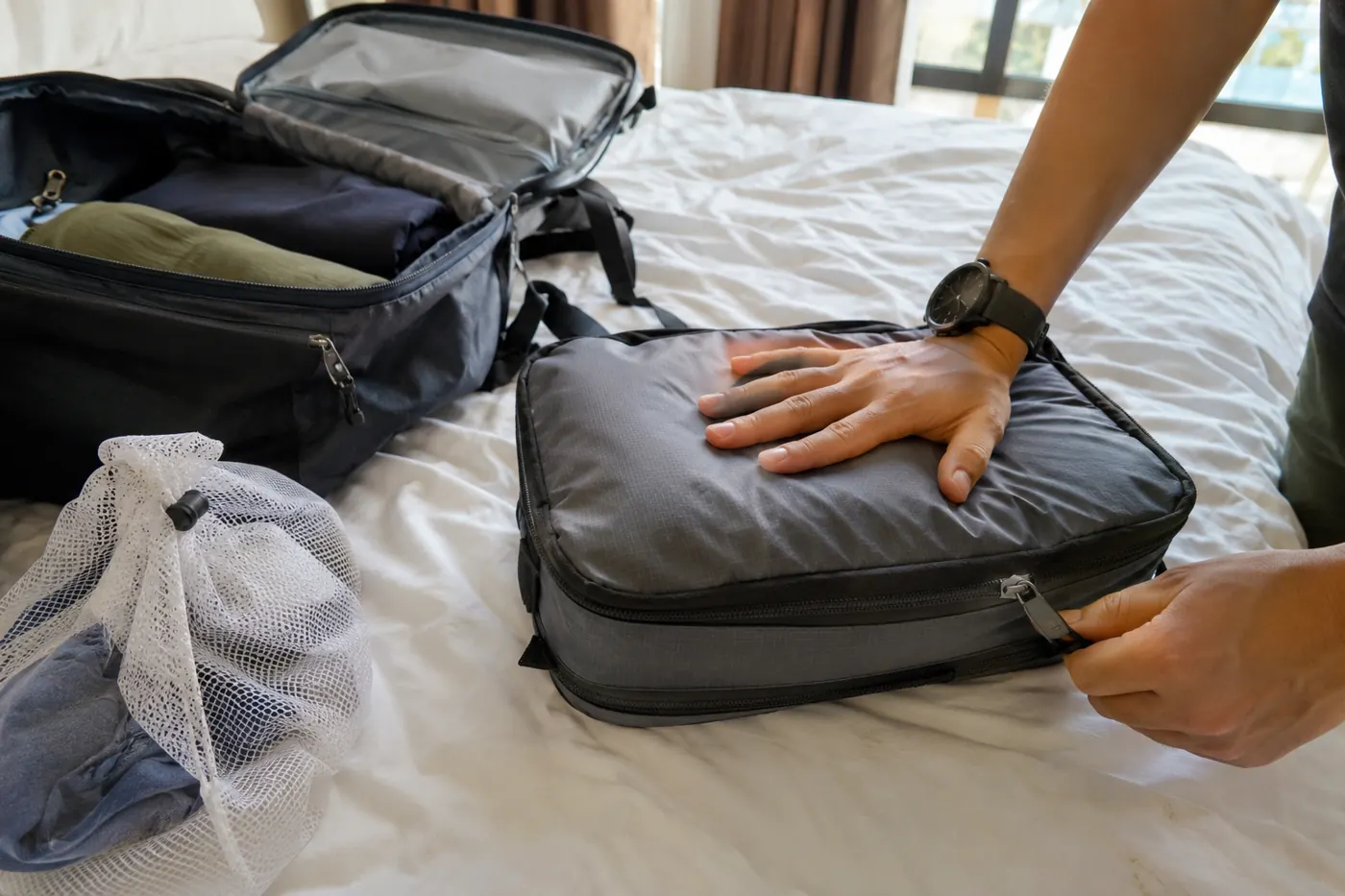
Compression cubes have a second zipper around the edge. Fill the cube, zip it closed, then zip the compression zipper and it squeezes the contents down. Typically you get a noticeable reduction in thickness with soft clothes. Not magic, but real.
Vacuum bags (the roll-up or pump kind) push the air out and seal. They shrink puffy things like down jackets and fleeces dramatically. On a trip, the roll-up kind is the only practical version, because you won't have a vacuum cleaner in most hotel rooms.
The catch nobody puts on the box: weight
Compression saves volume. It doesn't save weight.
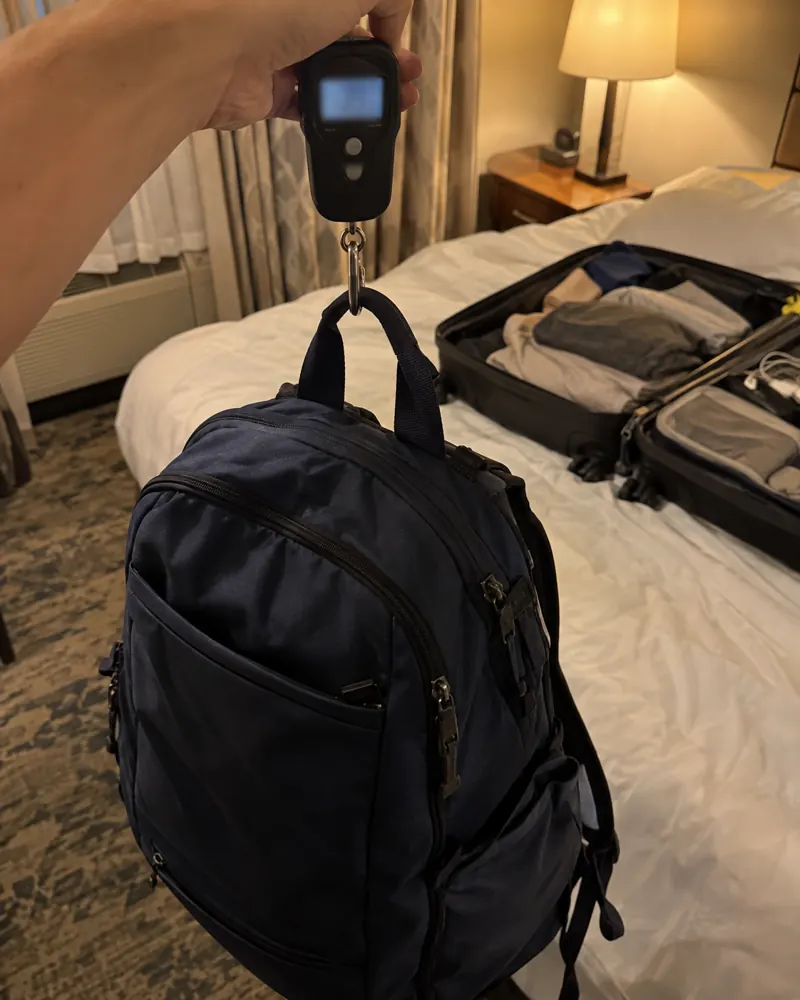
That matters a lot for carry-ons. Many airlines in Asia, Australia and Europe weigh cabin bags, often at 7 or 8 kg. Squeezing more clothes into the same bag just gets you closer to that number. One of the most upvoted comments in a compression-cube thread made this point: they encourage overpacking, which means extra weight.
If your airline has a weight limit, a compression cube won't help you. Packing less will. Our 7 kg carry-on guide has the numbers on what a typical bag, laptop and clothes weigh.
The problems with compression cubes
People who've tried them keep listing the same downsides:
- The football shape. Compression cubes squeeze hardest at the zipped edge and less in the middle, so they bulge. In a soft backpack that bulge pushes out the front of the bag, which is exactly the dimension a budget-airline sizer is strict about.
- They don't fill gaps. A rock-hard compressed cube can't squish into the corners of a bag. One traveler with a small 16 L bag said compression made packing harder, not easier, because nothing would mold to fit.
- Wrinkles. Squeezed clothes come out creased. Fine for t-shirts and merino, bad for a shirt you want to wear to dinner.
- Overpacking. Discussed above. If it fits, you pack it.
Some people do love them, though. A fair point from the other side: with only one or two cubes, compression stops things shifting around in a half-empty bag, and the slim compressed edges leave room for long thin things like an electric toothbrush. Several people also said better-made cubes compress more evenly, closer to a flat rectangle, while cheap ones end up as footballs.
The problems with vacuum bags
Vacuum bags get a harder time on r/onebag:
- You need to reseal them every time you move. Roll-up bags work without a pump, but it's slow and loud, and you'll be doing it on a hostel floor.
- One hole and you're stuck. If a bag tears or the valve fails mid-trip, everything you squashed suddenly doesn't fit back in. One commenter said: if anything happens, broken pump, tear in the bag, you can't pack your bag again.
- Wrinkles, again. Worse than compression cubes.
- Weight creep. Same problem as above, only more so.
Where vacuum bags genuinely shine: one bulky item you won't need until later. A down jacket on the way home, a duvet-like fleece for a cold leg of a long trip, or bulky souvenirs like knitwear. That's a real use. Packing your whole wardrobe that way usually isn't.
And if you're flying with a big coat you need on landing, don't vacuum it. Wear it. Our winter coat guide covers where it goes on the plane.
So are packing cubes worth it?
For most people, yes, but for organization, not for space. The arguments that came up most:
- You stop repacking the whole bag. Take out the cube you need, close the bag. Several backpack travelers said this alone made cubes worth it.
- Unpacking takes 30 seconds. Pull out three cubes, put them on a shelf, and your bag is your wardrobe. At the next stop, three cubes go back in.
- Nothing gets lost. Socks stop migrating to the bottom of the bag.
- They're shelves, not storage. One person described it as using cubes like shelves in a closet.
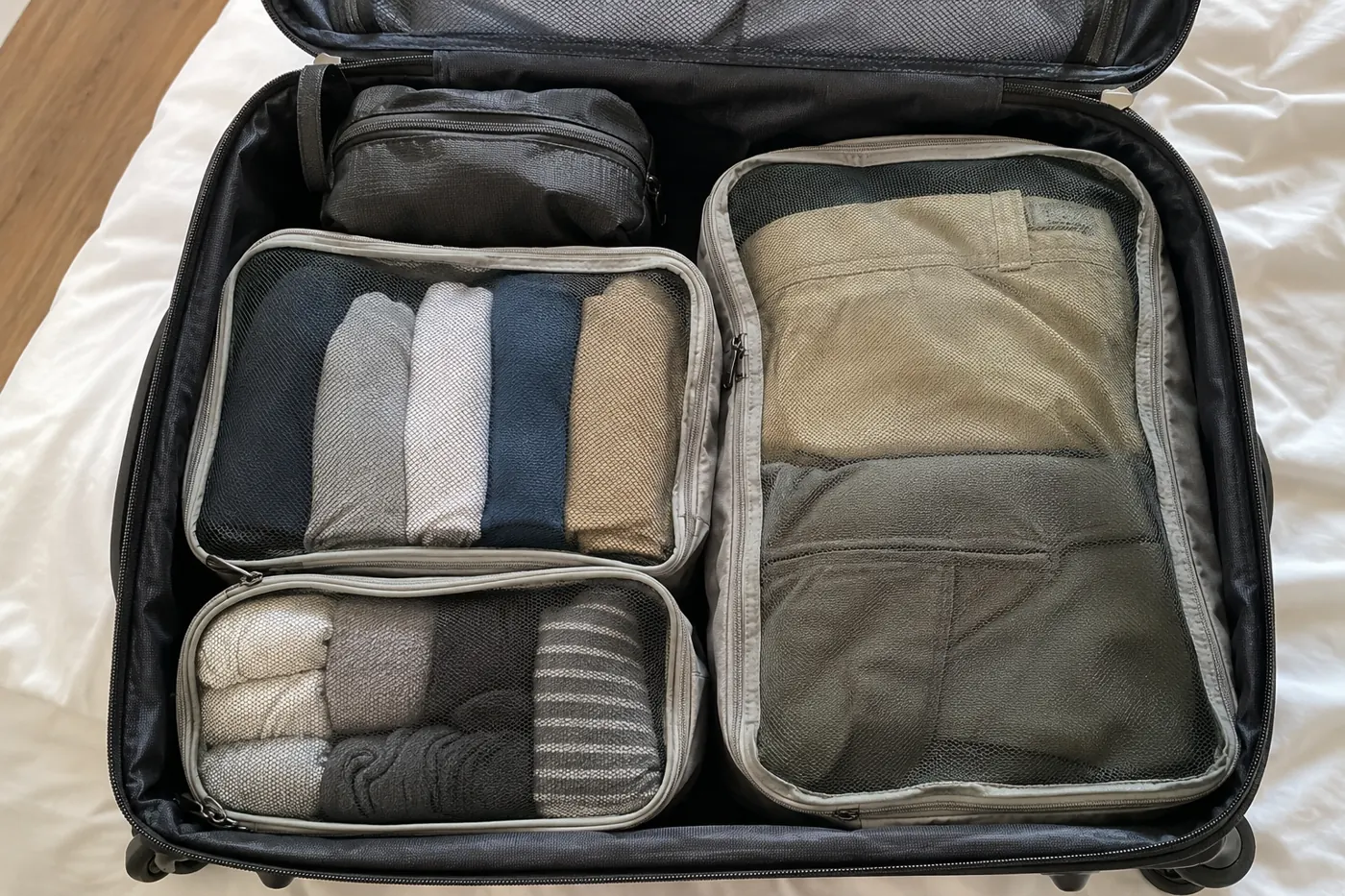
The people who said cubes aren't worth it mostly made one of two points: they add a little weight on ultralight trips, and in a very small bag a single big compartment wastes less space than several boxes.
How many cubes do you need?
For a carry-on, most people land on two to four:
- Small: underwear and socks
- Medium: tops
- Large: bottoms, or a second medium for sleepwear and layers
- Optional: a thin bag or cube for dirty laundry
A few people use just one large cube for all their clothes, and say it's the best way to stop themselves overpacking: if it doesn't fit in the cube, it doesn't come. Others prefer several smaller cubes, because they fit the odd corners of a backpack better than one big box.
Our carry-on clothes guide has the actual numbers for a week or two weeks.
By type or by outfit?
r/onebag is split:
- By type (all shirts in one, all bottoms in another) is the most common. Same-shaped clothes fold and stack better together.
- By outfit ("outfit burritos": roll a top, bottom and socks together) means you grab one roll in the morning and you're dressed. Good for short trips and early starts.
- By when you'll need it. A clever one: one cube for the first night, one for the middle of the trip, one for the journey home.
A reasonable pushback from the capsule-wardrobe crowd: if every top goes with every bottom, there's no such thing as an outfit, so pack by type.
Dirty laundry
The other big question: what happens when half your clothes are worn?
- Double-sided cubes with a "clean" and a "dirty" compartment came up a lot. Clean clothes go out one side, dirty ones in the other.
- A gallon zip bag or thin laundry bag inside the cube or at the bottom of the bag works just as well and costs almost nothing.
- A plastic bag as a separator. One traveler puts worn clothes at the bottom of the cube with a plastic bag on top, then clean clothes above.
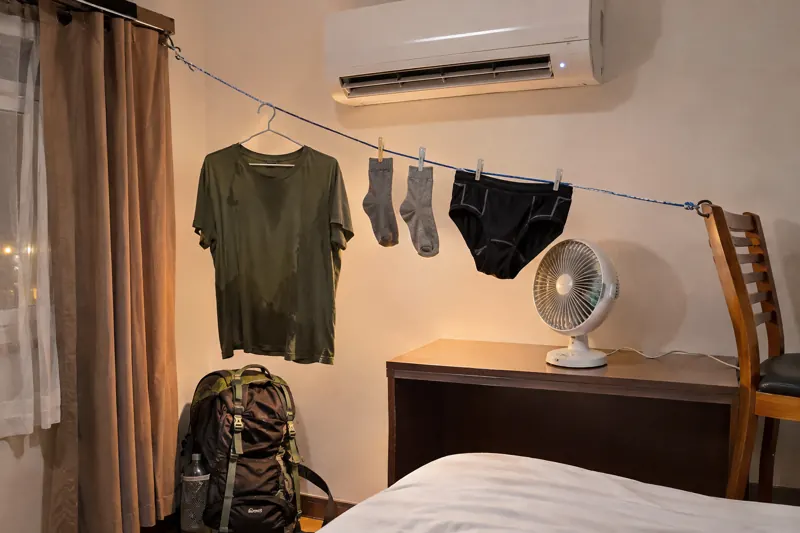
- Do laundry before it piles up. People with small bags wash more often, so laundry never gets big enough to be a packing problem. Our laundry guide covers sink washing and laundromats.
Worn clothes don't take up more space than clean ones, by the way. As one dry reply put it: unless you're adding clothes, it's the same volume. They just don't fold as neatly.
The cheap alternatives
Not everyone thinks you need to buy anything:
- Zip bags. A popular (and much mocked) r/onebag post argued for plain bags over compression cubes. The serious version: big press-seal freezer bags, clothes folded flat, squeeze the air out. Cheap and they work. The downsides people pointed out: the crinkly noise in a shared dorm at 6 a.m., and scented trash bags making your clothes smell.
- Stuff sacks from camping gear: light, cheap and squashable.
- Cheap cubes. Several people said basic cubes from IKEA or a supermarket have lasted them years. You don't need the expensive kind to get the organizing benefit.
Do vacuum or compression bags cause problems at security?
Not as a rule. Compressed clothing isn't banned anywhere. But a very dense, tightly packed bag is harder to read on the X-ray, and anything the officer can't see clearly gets a bag check. If your bag is pulled aside a lot, try packing electronics in a separate layer on top, where they're easy to see and take out. The electronics guide covers what has to come out of the bag at security.
Mistakes people make
- Buying compression cubes to beat a weight limit. Volume isn't weight.
- Compressing everything, then finding the bag bulges and won't fit the sizer.
- Vacuum-packing the coat you need when you land.
- Packing more just because the cubes made room.
- Using cubes that are too big for the bag, so they leave gaps you can't fill.
- Throwing worn clothes loose into the bag instead of a cube or laundry bag.
- Packing in a hurry the night before. Test-pack at home, including the clothes you'll wear on the plane, so you know it all fits.
Frequently asked questions
Do packing cubes really save space?
Regular packing cubes don't, and might even use a little more space than packing loose. Their job is organization. Compression cubes and vacuum bags do reduce volume, but not weight.
Are compression cubes worth it for a carry-on?
Sometimes. They help if your clothes are bulky and your airline has no weight limit. They're a poor fit for strict budget-airline sizers, because compressed cubes bulge in the middle, and they don't help at all with a 7 kg weight limit.
Can I use vacuum bags in a carry-on?
Yes, there's no rule against them. Roll-up vacuum bags that don't need a pump are the practical kind for travel. They're best for one bulky item like a down jacket, not your whole wardrobe, because a tear or a broken valve leaves you unable to repack.
How many packing cubes do I need for a carry-on?
Most people use two to four: a small one for underwear and socks, a medium for tops, and a large or second medium for bottoms or layers. Some use one big cube to stop themselves overpacking.
Should I pack cubes by outfit or by type?
By type is most common because similar clothes fold together better. By outfit works well for short trips. If your clothes all mix and match, by type makes more sense.
What do I do with dirty clothes in packing cubes?
Use a double-sided cube with a separate dirty side, or put worn clothes in a zip bag or thin laundry bag. Doing laundry every few days keeps the dirty pile small.